

Printing outdoor pieces for the yard
Outdoor printing has to work against sunlight, rain and distance. A flag sits near the sidewalk while a doormat sits flat underfoot at the door. How you prepare the picture depends on where the viewer stands and what the weather does to the cloth and matting over time.
Distance changes what reads clearly
A flag hangs away from the path. People see it as they walk by, often from across the grass or from a car. Fine lines and subtle shadow gradients blur together at that distance. What works is sharp separation between your subject and the backdrop. A clear pet face with crisp edges will read from the curb. A crowded family snapshot with trees behind the heads turns into a muddy patch. Keep the lettering short and thick. Three words in a heavy block font carry across the lawn. A long paragraph of small script gets lost before anyone gets close enough to read it.
Artwork on both sides of a flag
A yard flag turns as the wind shifts and people approach from both directions along the street. If you print on one face only, the reverse side shows a faint backwards ghost of the image. We print artwork across both faces of the piece so the text reads correctly whether someone approaches from the left or the right. That means the file gets laid down on front and back panels. Keep your main elements centered away from the top sleeve where the metal pole slides through, and keep them clear of the outer hem stitching.
Looking straight down at a mat
A doormat works under different rules than a hanging flag. The viewer stands right on top of it, looking straight down while waiting at the door. You can use tighter cropping and smaller details here because the viewing distance is short. A full name, house numbers or a more detailed pet crop will resolve well from two paces away. The surface texture is coarser than flag fabric, so fine pencil lines still struggle, but solid shapes and defined borders come through clean. Think about how much of the center gets covered when shoes land on it.
What weather does to outside cloth
Everything placed outside takes wear from daylight and moisture. Direct summer sun breaks down pigments over time, and heavy rain soaks into the weave. High winds pull at the pole sleeve and the bottom corners of a flag. If you leave a piece outside through severe storms and winter freezes, the fabric takes the brunt of that motion and wetness. We do not claim any print holds against the weather indefinitely. Bringing a flag indoors before heavy storms or long stretches of wet weather limits the mechanical strain on the seams and the print.
Abrasives on the door step
Doormats do not flutter in the wind, but they take physical abrasion instead. Every visitor drags grit, sand and moisture across the surface of the print. Dirt acts like coarse paper against the ink when ground in under heavy soles. A dark background will show dry dust, while a very pale center will collect mud marks quickly. Medium tones and strong graphic shapes handle the dirt of daily traffic best. Shaking the mat out dry clears away loose gravel before it grinds deep into the fibers, which helps keep the image visible through regular use.
Short version
- Our catalogue holds 552 pieces across 14 sections sorted entirely by the surface we print on.
- We hold 26 pieces in yard flags and doormats made for display outside the house.
- Flag artwork is printed on both faces so letters read correctly from either walking direction.
- Viewing distance across a lawn requires thick lettering and high contrast rather than delicate photographic detail.
- A doormat is viewed from above at close range but takes friction from dirt and footwear.
Preparing your outside file
Pick an image with clean separation between the subject and the background. Check your lettering at a small size on your screen to test if it reads fast. We line the artwork up to the cut shape, print the panels, and stitch the edges for the yard.
From this section
Pieces this note is about
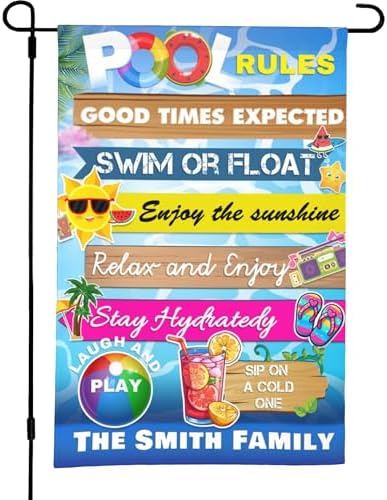
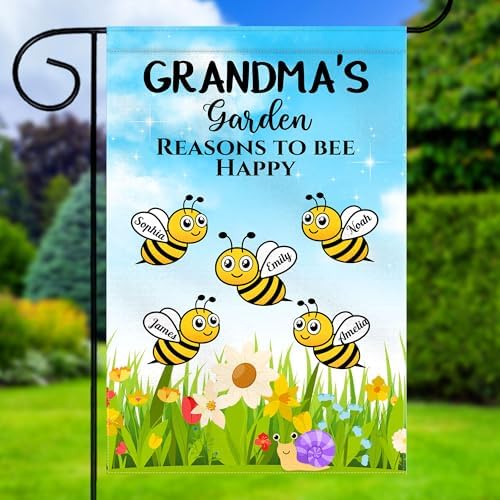
Yard Flags & Doormats holds 26 pieces. These four get ordered most.

Keep reading
Other notes from the bench
Bench notes
Why the surface decides the print
We sort our catalogue by the material we print on, because cloth, metal, and acrylic treat a photograph differently.
Artwork notesCropping a face for the bench
Personalisation is ink on a surface, not sorcery.
Metal notesPrinting your artwork onto stainless steel drinkware
Printing on metal is different from printing on cloth.