
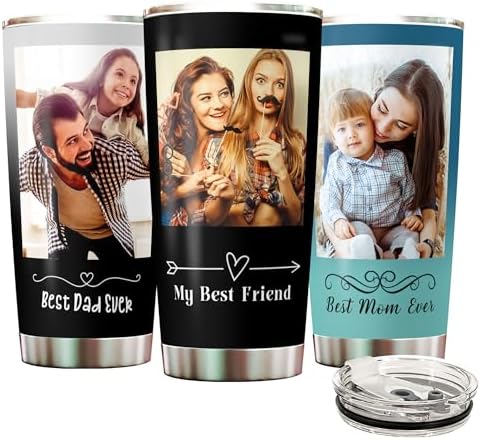
Printing your artwork onto stainless steel drinkware
Printing on metal is different from printing on cloth. The metal does not absorb ink, the cylinder curves away from the eye, and the piece gets carried around every day. We hold 46 pieces in drinkware. Here is what the curve does to a photograph and how to prepare your file.
The curve and the wrap seam
A tumbler is a cylinder. When we lay artwork around it, the print wraps across the curve and meets itself at the back. That meeting line is a seam. If you send a single wide photograph, the sides stretch around the turn and meet with a visible break. A repeating pattern handles that break better because the design covers the join naturally. For a portrait or a pet picture, the right move is to center the face on one front panel. That keeps the features flat to the eye instead of wrapping a nose or an ear around a bend.
Lids and top margins
Cloth lays out flat on our bench. A tumbler stands upright, and the top edge shares space with hardware. The lid presses down over the rim, and a straw sits right above the opening. When you place text or a face near the top edge, the lid line cuts into it. We keep artwork lower on the body so the lid never clips a forehead or a name. Look at where your hands grip the metal and where the lid seats before you crop. Leaving empty space at the top and base keeps the print clear.
How metal holds the artwork
Cloth takes ink deep into the weave. Stainless steel is hard, smooth, and non absorbent, so the artwork sits directly on the surface. That changes how the picture feels in daily use. A metal tumbler lives a rough life. You pick it up by the body, slide it into a car cup holder, pack it in a bag, and set it down on stone counters. Every knock and scrape meets the outer print directly. The artwork stays sharp under normal handling, but metal will show scratches if it rubs against keys or rough surfaces.
Why simple shapes work better
A crowded group photograph with small details struggles on a curved tumbler. As the piece turns, small faces warp around the bend and get lost in the reflection of the steel. A close crop of a single face, a pet, or bold lettering is the safer choice on metal. Strong outlines and clear contrast between the subject and the background stay legible as the cup rotates in your hand. If a background has too much clutter, strip it out before submitting your picture so the subject stands out on the curve.
Washing by hand protects the print
Care for printed drinkware comes down to heat and friction. A hot wash cycle in a machine softens the print surface and wears down the bond on the steel. Harsh detergents and stiff scrubbing brushes scratch the outer face. Wash the piece by hand with cool or lukewarm water and a soft cloth or sponge. Do not soak the body in a sink for long periods. Rinse it, dry it with a towel, and let the lid air out separately. Simple hand washing keeps the surface intact through daily use.
Short version
- We hold 46 pieces in drinkware across our catalogue.
- Our catalogue holds 552 pieces across 14 sections sorted by material.
- A tumbler wraps artwork around a curved body with a rear seam.
- Lids and straws take up space along the top rim of the metal.
- Hand washing with a soft cloth protects the printed metal surface.
Choosing artwork for your tumbler
Send a clear crop with bold contrast and keep the main subject centered on one side. Our catalogue holds 552 pieces across 14 sections, organized by surface so you can pick the right base for your picture. Check your crop on the curve before you send it to our press.
From this section
Pieces this note is about
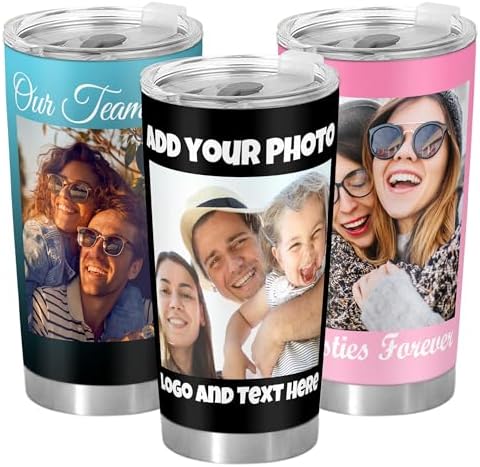
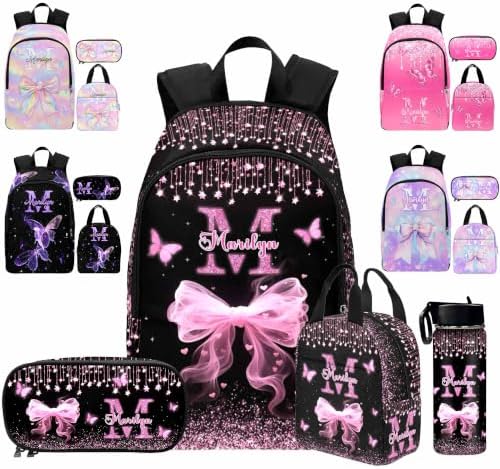
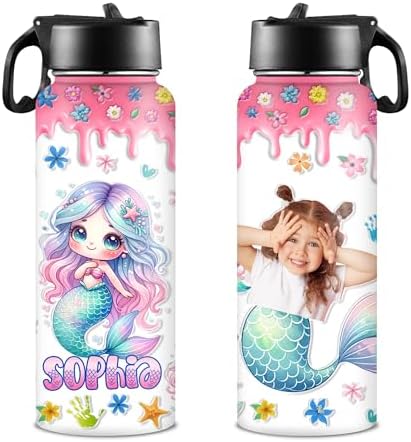
Tumblers & Drinkware holds 46 pieces. These four get ordered most.
Keep reading
Other notes from the bench
Bench notes
Why the surface decides the print
We sort our catalogue by the material we print on, because cloth, metal, and acrylic treat a photograph differently.
Artwork notesCropping a face for the bench
Personalisation is ink on a surface, not sorcery.
Outdoor notesPrinting outdoor pieces for the yard
Outdoor printing has to work against sunlight, rain and distance.