

Why the surface decides the print
We sort our catalogue by the material we print on, because cloth, metal, and acrylic treat a photograph differently. A wide throw gives room for an open background, while a curved tumbler wraps it, and a shirt breaks it across seams, plackets, and folds. The surface sets the crop.
The uninterrupted field of a throw
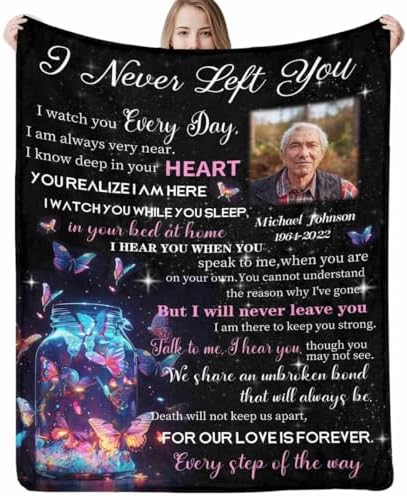
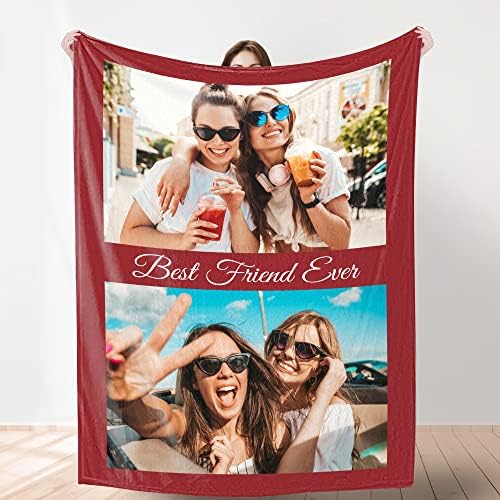
A throw is a wide, flat plane of cloth. We hold 89 pieces in photo throws alone, which makes it the largest section in the catalogue. Because the fabric lies open without breaks, we can place a single photograph across the center and leave the background intact. Trees, rooms, and sky remain legible around a face. The eye reads the subject and its surroundings together as one complete scene. A wide cloth allows gentle transitions from the middle of the frame toward the hem, so the original shot does not need heavy trimming before it goes onto the press.
Wrapping an image around metal
A tumbler is not a flat sheet. It is a cylinder of coated metal that meets itself at the back. When we take the same snapshot and prepare it for a curved cup, the background usually has to go. If the original room or yard stays behind the subject, the outer edges of the photograph collide at the seam in a hard line. We cut the face or pet out of the frame instead. The isolated cutout sits on the plain metal or floats against a clean backdrop, where the wrap does not disrupt the main subject.
Handling cloth broken by seams
A shirt introduces physical obstacles across the print area. The fabric is broken by arm seams, a neck band, and sometimes buttons down a placket. Placing a single wide photograph across the chest means a seam will cut through an ear, a shoulder, or a horizon line. Because of those interruptions, we often take the main subject and tile it as a repeating pattern across the panels. What started as one family picture on a throw becomes a scatter of small cutouts across the body of the shirt to clear the stitch lines.
What happens with the wrong match
Problems start when a buyer shops for an occasion and ignores the shape of the piece. A group snapshot with several people across the frame looks clear on an open throw, but it fails on a narrow sock. Squeezed onto a heel or an ankle band, individual faces shrink until features blur together. A crowded holiday room on a small block of clear acrylic runs into the same trouble. The detail turns into clutter because the surface lacks the area to separate the people from the furniture around them.
Looking at the material first
Our catalogue holds 552 pieces across 14 sections, sorted entirely by the underlying object. When you select the blank first, you know what the artwork requires before we start the layout. Metal accepts a crisp cutout. Acrylic holds a clean, high-contrast portrait. Flat cloth takes an entire scene, and small garments need repeating elements. Checking the boundaries of the piece saves the photograph from bad crops, awkward seam cuts, and blurred faces before the file ever reaches the press.
Short version
- Our catalogue holds 552 pieces across 14 sections sorted by material.
- We hold 89 pieces in photo throws alone across our catalogue.
- Throws provide a wide flat field that keeps the original background.
- Tumblers wrap around a cylinder where edges meet at a seam.
- Shirts contain plackets and stitch lines that interrupt flat photographic prints.
Preparing the artwork for the press
A photograph is ink placed on a physical object. If you have a busy group picture, choose a wide cloth piece that gives it room. If you want a tumbler or a pair of socks, pick a clear portrait with a simple subject that we can cut cleanly from its surroundings.
From this section
Pieces this note is about
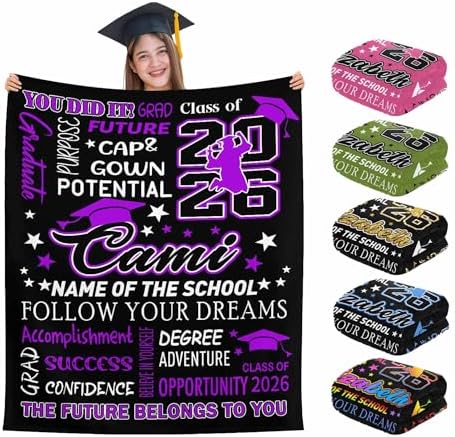
Photo Blankets & Throws holds 89 pieces. These four get ordered most.
Keep reading
Other notes from the bench
Artwork notes
Cropping a face for the bench
Personalisation is ink on a surface, not sorcery.
Outdoor notesPrinting outdoor pieces for the yard
Outdoor printing has to work against sunlight, rain and distance.
Metal notesPrinting your artwork onto stainless steel drinkware
Printing on metal is different from printing on cloth.