

Washing and keeping our printed pieces
A print on cloth or metal changes under heat and friction. Water temperature, dryer air and the mechanical rubbing of heavy fabrics against light ones work on the printed face over time. Treating the artwork with basic care keeps the original picture clear on the piece without extra fuss.
What heat does to the print
Heat is what acts on ink and cloth most steadily. Warm water in the tub starts the process, but the hot air of a tumble dryer does the heavier work. It happens gradually across repeated wash cycles rather than in a single afternoon. The ink layer softens when heated, which makes it vulnerable to the rubbing of the drum and other garments. Keeping the water cold preserves the binder on the surface. Air drying away from a direct radiator keeps the picture stable on the weave. High heat breaks down the bond between the original artwork and the base material.
The standard machine routine
Turn garments inside out before dropping them into the drum. This simple step keeps the printed face away from the metal walls and other items in the tub. Run a gentle cycle with cold water and mild detergent. Small pieces like socks or thin accessories travel best inside a mesh laundry bag, which stops them from twisting around heavier items during the spin. Do not use bleach on any printed cloth, because bleach attacks the pigment directly. A short, quiet cycle does the work without grinding the fabric against itself repeatedly.
Sorting loads by fabric weight
A thin printed tee does not belong in the same wash load as a heavy blanket. Heavy cloth holds more water, weighs down the tub and acts like coarse paper against lighter garments during the spin cycle. Separate light knits from thick textiles before starting the machine. Zippers, metal hooks and coarse seams on other clothing scratch the face of a print when tumbled together. Washing similar weights together prevents unnecessary pulling across the seams and keeps the artwork from catching on hard hardware during the agitation.
Drying without the dryer drum
Skip the dryer drum entirely when you can. Hang the damp piece on a line or lay it flat on a drying rack out of direct sunlight. Bright sun bleaches pigments across repeated exposures, while a radiator can scorch the printed area from behind. If you need to smooth wrinkles from the fabric, use an iron on the reverse side. Never set a hot iron directly onto the printed face. A thin pressing cloth placed between the iron and the piece protects the artwork from direct contact with the hot plate.
Caring for metal and outdoor pieces
Outdoor items like flags and mats need spot cleaning rather than a spin in the laundry tub. Rinse dust or garden soil off with a garden hose or wipe the surface with a damp rag. Printed metal surfaces like tumblers, tags or signs require a soft cloth and soapy water. Do not scrub printed metal with steel wool, stiff brushes or abrasive powders, which scrape the surface coat away. Rinse with clear water and dry with a towel. Gentle surface cleaning removes outdoor dirt without wearing down the applied picture.
Short version
- Our catalogue holds 552 pieces across 14 sections sorted by what we print on.
- Cold water protects the bond between printed ink and the cloth base during washing.
- Turning garments inside out prevents the printed picture from rubbing directly against the drum.
- Direct contact with a hot iron damages the printed surface of the garment.
- Abrasive scrubbers and scouring pads scratch the printed coating on metal items.
Simple care at the press
We print pictures onto cloth and metal, but routine care belongs to the household. Keeping water cold, skipping the hot dryer drum and separating heavy fabrics from light knits preserves the piece as it rests in your drawer. Simple habits protect the print you sent to our press.
From this section
Pieces this note is about
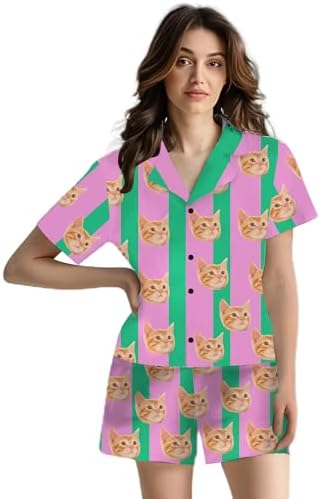
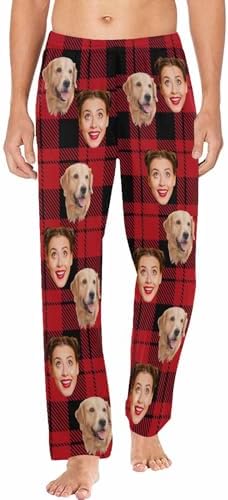
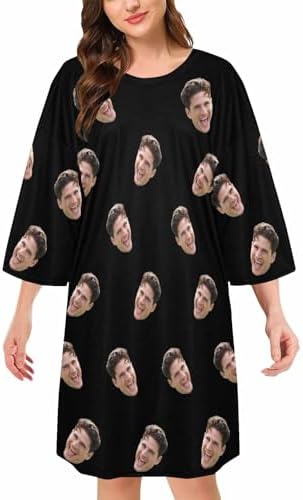
Pajamas & Sleepwear holds 57 pieces. These four get ordered most.
Keep reading
Other notes from the bench
Bench notes
Why the surface decides the print
We sort our catalogue by the material we print on, because cloth, metal, and acrylic treat a photograph differently.
Artwork notesCropping a face for the bench
Personalisation is ink on a surface, not sorcery.
Outdoor notesPrinting outdoor pieces for the yard
Outdoor printing has to work against sunlight, rain and distance.